NYC Council passes ban on pricing based on shoppers’ personal data
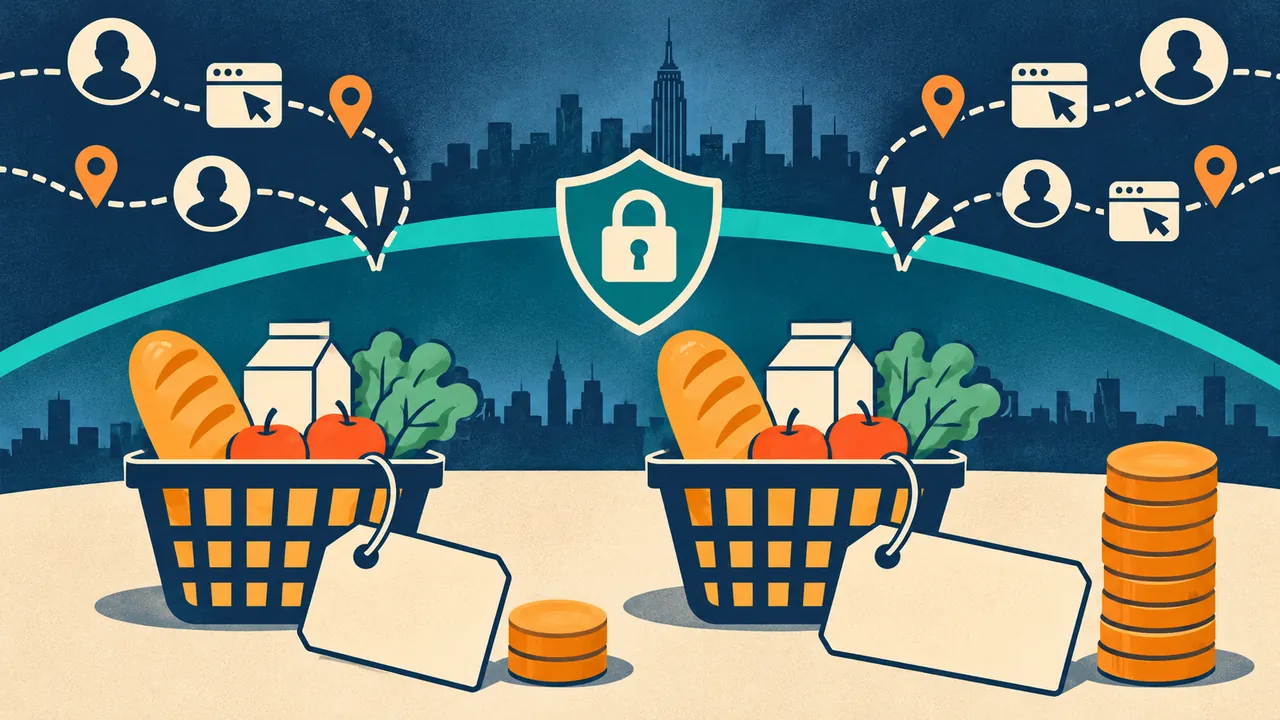
New York City Council passed a bill Thursday prohibiting surveillance pricing, which assigns shoppers different prices using algorithms or personal information. That information can include demographics, credit data, browsing activity and purchase history. The measure covers both websites and physical stores, although the practice is mainly used online. It would let the city impose fines of up to $1,000 for each transaction that breaches the ban.
In an investigation cited by the Council, prices in Target’s app changed according to a shopper’s location. A 55-inch SmartTV was listed at $499 inside a store and $599 in the store’s parking lot.
Uber, Lyft, Target, Instacart and airlines are among the companies that have faced scrutiny over alleged surveillance pricing. Many have denied using it. Mayor Zohran Mamdani supported the ban, saying residents’ personal data should not be used against their financial interests.
Business groups warned that the restrictions could interfere with discounts and loyalty programs. Uber spokesperson Josh Gold said the law, if enacted, would make attracting customers harder for small restaurants and disadvantage them against national chains. Uber Eats allows restaurants to offer discounts based on search history and previous orders. Council Speaker Julie Menin said the legislation would not affect discounts.
Original source: gothamist.com ↗
Comments on source platforms
Rank is the maximum of the latest discussion counts. These are source metrics.
Hacker News
- Discussion ↗: 25
Measured: 13 Nov 2026, 11:40 UTC