Solid 2.0 reaches stable with an async graph and diagnostics for AI agents
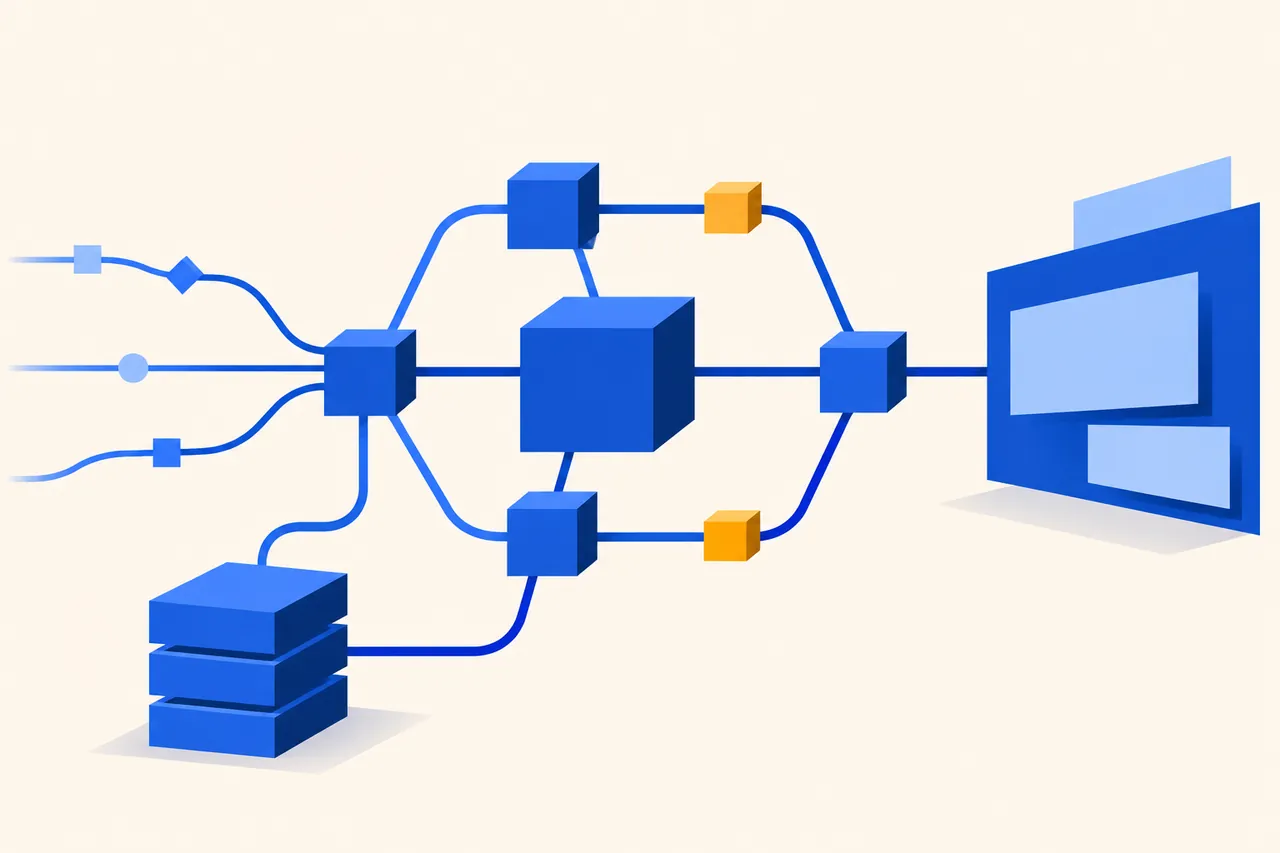
Solid’s developers have released the stable version of Solid 2.0, five years after 1.0. Its central change brings asynchronous operations directly into the reactive graph: computations can return a Promise or an async iterator, with downstream computations handling them automatically. The team says this automates race-condition handling and speculative-state rollback while keeping the server authoritative.
Server functions, first introduced in SolidStart in early 2022, are now part of Solid’s core. They support RPC over Request/Response and persistent connections through Server Sent Events. The developers plan to announce further capabilities built on this foundation in the coming weeks, including reactive Server Components.
The release also adds diagnostics intended to help AI agents write applications. Development builds report mistakes with a stable diagnostic code, a source location and a fix. Checks cover asynchronous waterfalls, poorly constructed effect loops and graph structures that scale poorly. An updated Sentry plugin extends this observability to production builds. Support for the alternative syntaxes ReactiveScript and TSRX remains experimental.
The team has retired SolidStart, saying the primitives needed to build metaframeworks are now available through the core or framework-agnostic Vite plugins. The smaller API removes createResource, batch and startTransition, among other primitives. Stable release followed 23 release candidates over 14 weeks, during which 971 pull requests were merged and 753 issues were closed.
Original source: solidjs.com ↗
Comments on source platforms
Rank is the maximum of the latest discussion counts. These are source metrics.
Hacker News
- Discussion ↗: 114
Measured: 18 Nov 2026, 16:52 UTC