CERT-In flags four vulnerabilities in Tata Motors connected-car apps
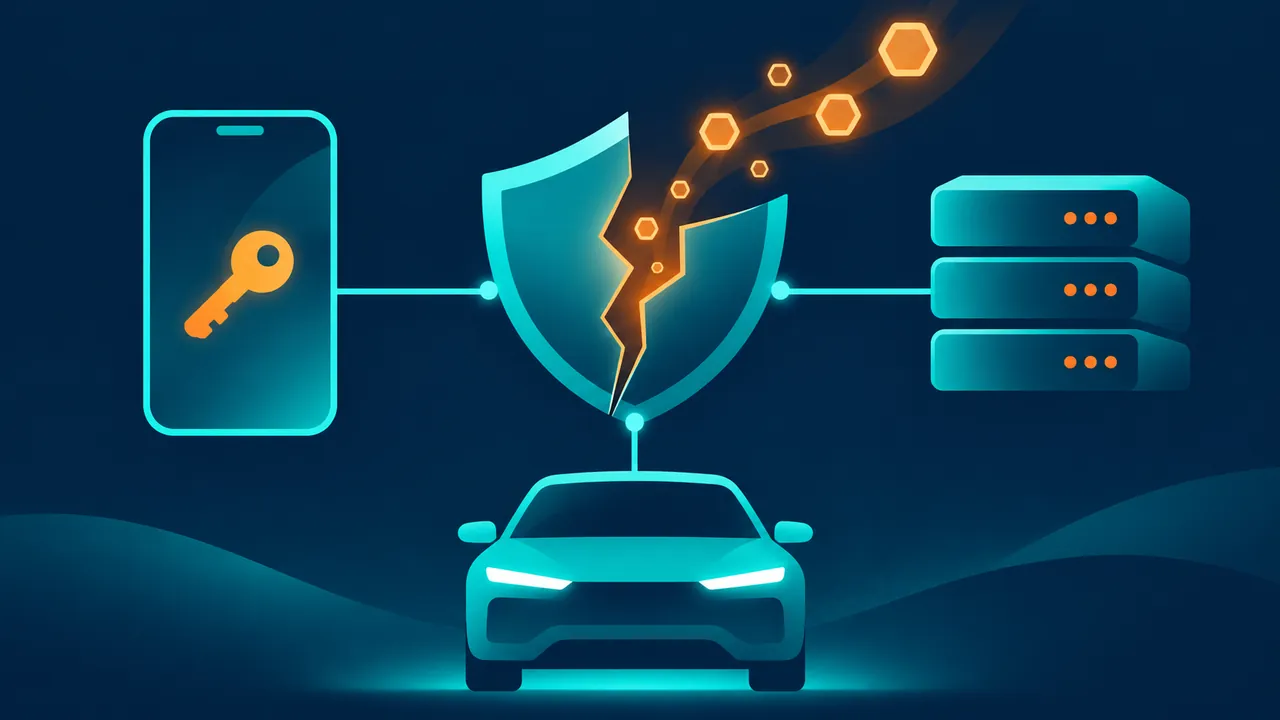
CERT-In published advisory CIVN-2026-0537 on November 4, 2026, describing four high-severity vulnerabilities in Tata Motors iRA 2.0 and iRA.ev. The apps serve internal combustion engine and electric vehicle customers, respectively, providing remote vehicle commands, status and health monitoring, and trip information.
CVE-2026-121144 concerns service account credentials, API keys and authorization tokens embedded in application packages. According to CERT-In, an unauthenticated remote attacker could extract those secrets and gain unauthorized access to associated backend services. CVE-2026-121145 involves insufficient validation of URLs and origins in WebView, potentially allowing malicious web content to obtain live bearer tokens and impersonate a user.
CVE-2026-121146 stems from authentication tokens being recorded in development and debugging logs. A local attacker with access to those logs could misuse the tokens to access vehicle information and services as the user. CVE-2026-121147 concerns improperly implemented SSL certificate pinning, which could let an attacker positioned to intercept network traffic read or modify communications with backend services.
The vulnerabilities were reported by Pranav Rajendran. CERT-In recommends upgrading to the latest app versions, but the advisory does not specify fixed release numbers.
Original source: cert-in.org.in ↗
Comments on source platforms
Rank is the maximum of the latest discussion counts. These are source metrics.
Hacker News
- Discussion ↗: 18
Measured: 8 Nov 2026, 02:45 UTC