Kubernetes 1.38 advances support for AI workloads
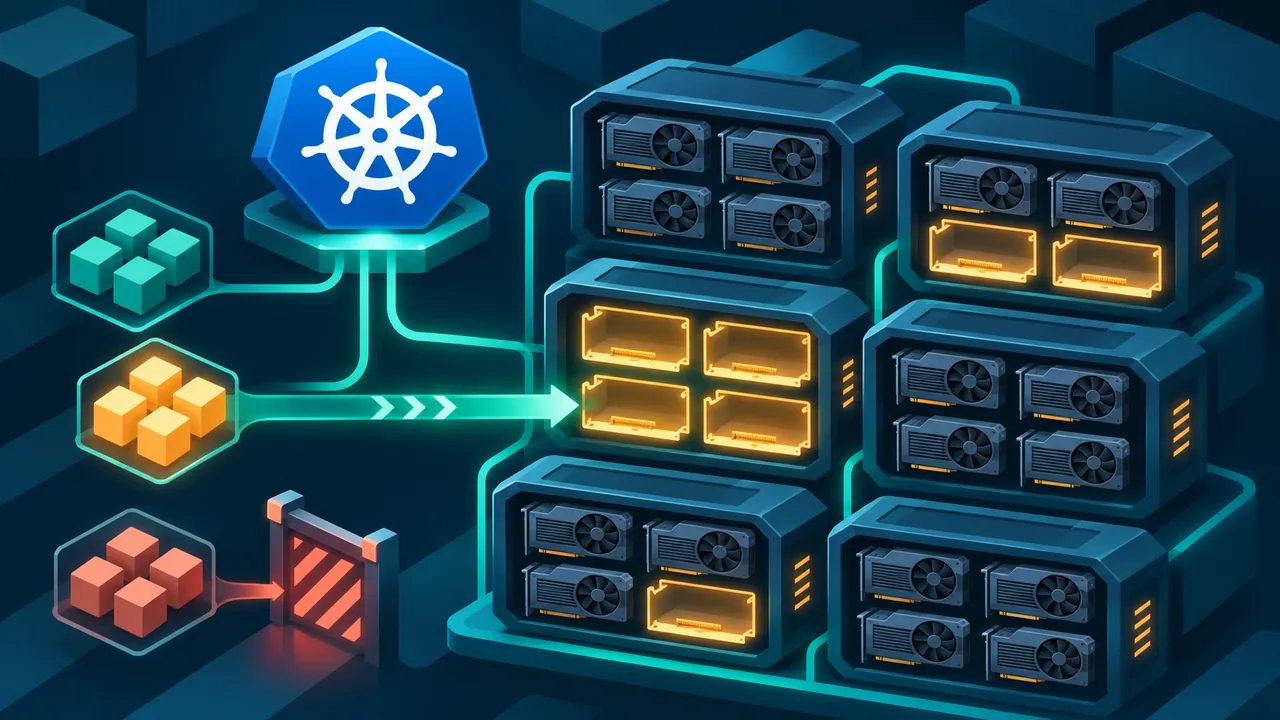
Kubernetes is expanding its infrastructure capabilities for AI. The CNCF’s January 2026 Annual Cloud Native Survey found that 66% of organizations hosting generative AI models use Kubernetes for inference workloads. At KubeCon North America 2026, the foundation and vendors outlined changes intended to improve hardware utilization and support larger clusters.
Kubernetes 1.38, scheduled for December 16, is the next milestone, with gang scheduling and additional accelerator-allocation capabilities expected to advance toward stable status. Gang scheduling holds a distributed job until its minimum required membership can be placed, although it does not guarantee simultaneous container startup. Dynamic Resource Allocation is also set to describe accelerator capabilities and capacity more precisely, including fractional resources.
Some improvements are arriving outside the 1.38 release. Mike Stefaniak, AWS’s Head of Containers, said Karpenter now models devices on the instance types it can provision, allowing GPU capacity to scale from zero. He also reported that parallel unpacking in containerd 2.2 reduced the registry-to-node time for a 10GB image from two minutes to consistently under 45 seconds in AWS testing.
Stefaniak said other fixes have already shipped in Kubernetes 1.37, reporting scheduling rates above 300 Pods per second under sustained backlog in AWS’s largest clusters. The final contents of the December release remain subject to the release process, and making the various improvements work consistently in production will take longer.
Original source: cloudnativenow.com ↗
Comments on source platforms
Rank is the maximum of the latest discussion counts. These are source metrics.
Hacker News
- Discussion ↗: 7
Measured: 17 Nov 2026, 08:32 UTC